Photographers: What Makes A Portfolio Real vs Padded
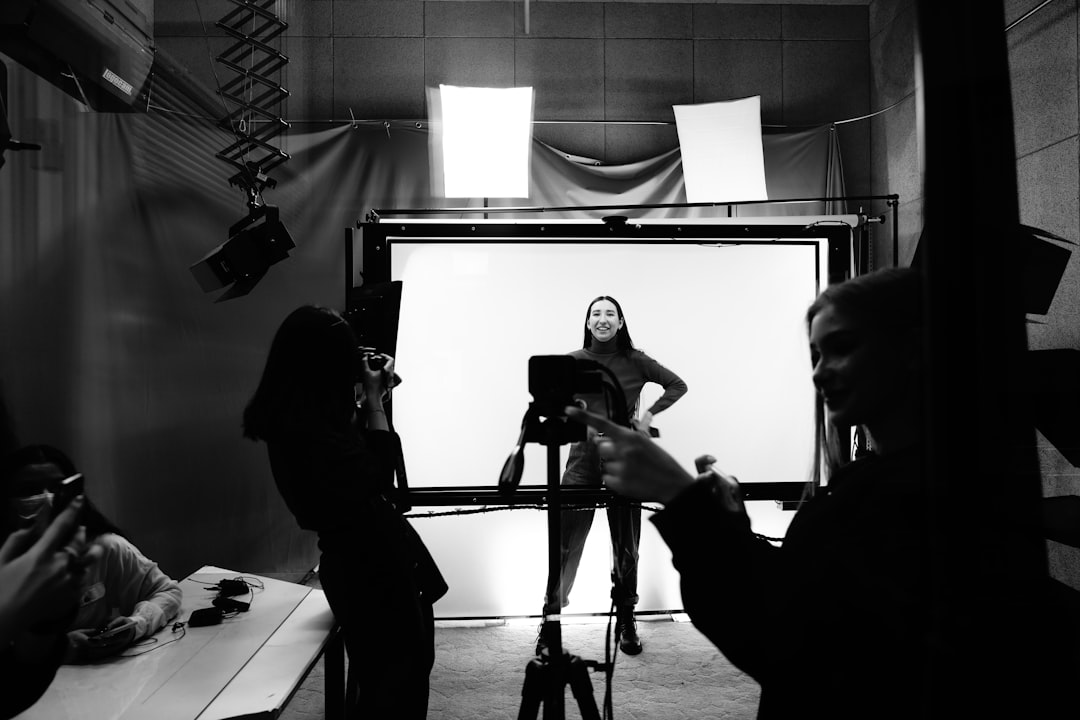
As a seasoned industry insider, it's my job to scrutinise portfolios submitted by photographers vying for jobs or seeking testimonials from satisfied clients. A strong portfolio can make all the difference in securing commissions, but what sets a genuine, real-world example apart from something padded with manipulated images and fabricated client endorsements? Let's delve into what makes a photographer's portfolio stand out – and what red flags to watch out for.
Authenticity Counts
When reviewing portfolios, I look for consistency in style, technique, and quality. This isn't just about aesthetics; it speaks volumes about a photographer's ability to deliver on briefs from clients who value authenticity over glossy, soulless images. Rachel Lee, a consultant urologist at a London teaching hospital, recently expressed her dismay with photographers who seem more concerned with showcasing their technical prowess than genuinely capturing the essence of what she does: "I've seen portfolios where every image looks like it was shot on a film set. Where's the humanity? The compassion?"
For clients like Rachel, photography is not just about creating visually stunning images; it's about telling real stories that resonate with audiences. A portfolio that showcases versatility and an understanding of the subject matter at hand can make all the difference in securing repeat business or referrals.
Rights and Wrongs
The issue of image rights is another area where photographers often get things wrong. While some photographers may claim to own the copyright for images they've licensed, others will happily sign over their rights as part of a package deal. This can have serious implications for clients who wish to use images in various capacities – from social media promotion to printed collateral.
HMRC's guidance on image rights is clear: "If you're buying or commissioning a photograph, make sure you understand the terms and conditions surrounding its use." Yet I've seen portfolios where photographers seem oblivious to these nuances. For instance, David Patel, a chartered financial planner based in Leeds, recently expressed his frustration with a photographer who insisted on retaining ownership of images used for promotional purposes: "It's not just about being able to display the image; it's about understanding how that image can be reused and repurposed – without breaking the bank or worrying about copyright infringement."
The Fine Line Between Artistic Licence and Manipulation
Photographers often walk a fine line between artistic licence and manipulation. While some degree of post-processing is acceptable, excessively airbrushed or Photoshopped images can raise suspicions about their authenticity. I recall reviewing a portfolio where images were so heavily manipulated they looked more like illustrations than photographs.
This raises important questions about ethics in photography: where does the pursuit of artistry end, and when does it cross into dishonesty? The Institute of Photography's Code of Conduct is clear on this point: "Members must not misrepresent or falsify their work, including images that are substantially altered without disclosure." Yet some photographers seem to think they're above such petty rules.
The Verdict
In an industry where authenticity and ethics matter as much as technical prowess, a genuine portfolio stands out from the crowd. By paying attention to style consistency, client briefs, and image rights, photographers can build trust with clients who value real-world examples over padded, manipulated images. As Dr Emma Taylor, a consultant paediatrician at Great Ormond Street Hospital, recently put it: "I want to see photographs that capture the essence of what we do – with integrity, compassion, and a deep understanding of our work." That's the kind of portfolio that truly shines.