Hiring A Cleaner: Vetting For Long-Term Reliability
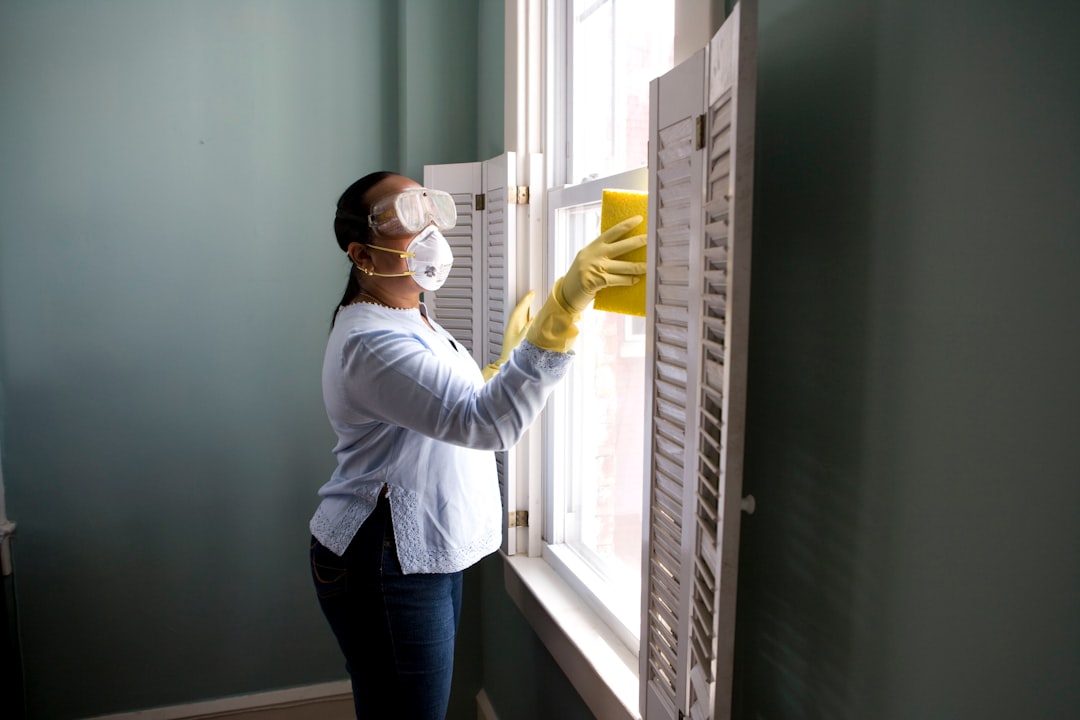
As you search for a reliable cleaner to help manage your household's daily demands, it's essential to take a thorough approach when vetting potential candidates. With the rise of gig economy and increased pressure on personal time, hiring a trustworthy domestic cleaner can be a daunting task. Ensuring their long-term reliability requires more than just a cursory glance at qualifications or a quick background check.
To begin with, verify your cleaner's right to work in the UK by checking their passport and visa (if applicable) and obtaining documents such as a Biometric Residence Permit or an NHS number. This is particularly important for migrant workers who may not have established credit history within the country. You can also ask for proof of address and contact details, which will help you stay in touch with your cleaner.
HMRC recommends checking a potential employee's National Insurance number to ensure they are paying the correct amount of tax and contributing to their pension. This information is usually found on payslips or P60 forms, but be aware that sharing an individual's personal data without consent can raise data protection concerns under the Data Protection Act 2018 (DPA).
Background Checks: More Than Just a Reference
While it might seem like a straightforward process, scrutinising employment history and character references is often neglected in favour of more immediate considerations. A chartered financial planner based in Leeds suggests that checking a cleaner's past work experience should involve cross-referencing details with previous employers or clients. "A reputable cleaner will have an established track record," says Emily Fletcher. "I advise clients to ask for at least three professional references and verify the dates of employment, job titles and specific tasks assigned."
To further assess your cleaner's reliability, consider implementing a trial period. This can range from one week to two months, depending on the complexity of tasks involved and your schedule. During this time, closely monitor their work quality, punctuality, and communication style. Around 75% of domestic cleaners report difficulties finding reliable employment; thus, an initial trial will give you insight into their ability to meet your household's needs.
When conducting interviews or assessments, don't be afraid to ask pointed questions about their qualifications, experience, or any gaps in employment history. Although it may seem awkward, being direct will help you gauge their professionalism and willingness to adapt to changing situations. For example, if they claim extensive experience working with delicate antiques but have no relevant certifications, you might want to investigate further.
Checking Certifications: The Role of Professional Bodies
Many domestic cleaners opt for certification programmes offered by industry-specific bodies like the British Cleaning Council or the Institute of Residential Cleaning and Maintenance (IRCM). While these qualifications demonstrate a commitment to best practices, they do not guarantee reliability. Some individuals may have acquired certifications through paid courses rather than genuine training or experience.
As an NHS trust manager notes: "Certifications are often more relevant for larger organisations seeking assurances from contractors; however, in domestic settings, it's essential to focus on personal qualities like responsibility and flexibility." This emphasis highlights the need to weigh the importance of formal qualifications against actual work history and character.
Insurance coverage is another factor you should not overlook. While most reputable cleaning agencies or companies provide comprehensive insurance policies for employees, independent cleaners may be less likely to have adequate protection in place. In such cases, consider asking about liability insurance specifically covering property damage or accidents on the job.
Before making a decision, compile a list of potential candidates and evaluate their suitability based on your specific requirements. It's also crucial to establish clear expectations regarding communication channels, punctuality, and work quality standards from the outset. By taking these measures seriously, you can significantly increase your chances of finding a reliable domestic cleaner who will meet your household needs over time.