Bars And Pubs: A Reviewer's Guide To Avoiding The Tourist Traps
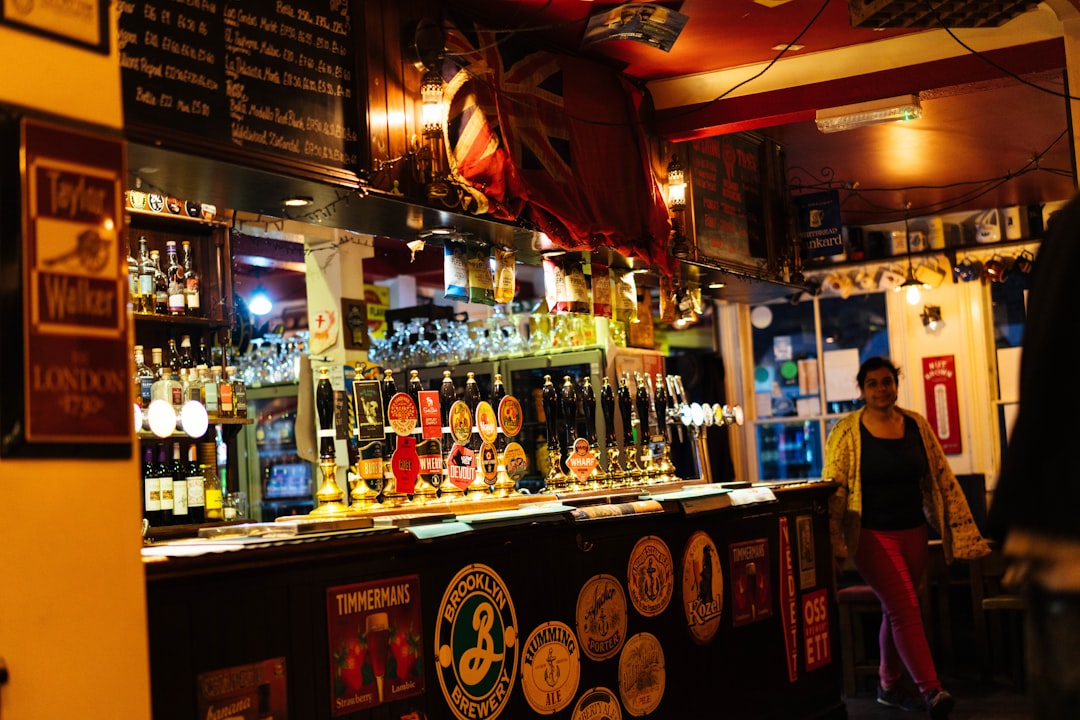
In the UK, the pub and bar scene is an integral part of social life—an environment steeped in tradition, yet also increasingly diverse in offerings. As a seasoned journalist, I’ve observed that discerning patrons often find themselves navigating a maze of establishments that range from authentic local gems to polished tourist traps. For those seeking a genuine experience, understanding the nuances of the scene can help avoid disappointment and ensure your visit is both enjoyable and worth your while.
Recognising Authenticity: From Local Pubs to Chain Outlets
One of the key distinctions in the UK pub landscape is between local, independently operated venues and larger chain establishments. While chains might offer consistency and familiarity, they often lack the personalised charm and character that make traditional pubs unique. Conversely, local pubs tend to reflect their community’s history, with an ambience that’s difficult to replicate elsewhere.
To identify a reputable local pub, look for signs of genuine community engagement. Many are members of organisations like CAMRA (Campaign for Real Ale), which promotes traditional cask-conditioned ales and preserves pub heritage. Pubs with CAMRA accreditation or those awarded the Cask Marque certification tend to uphold high standards regarding the quality of their beer, ensuring that what you’re drinking is served as intended by the brewer.
David Carter, a certified Cask Marque assessor and former CAMRA branch chairman, explains: “A pub with Cask Marque certification has demonstrated consistent excellence in serving real ale. It's a good indicator that the establishment takes pride in their product and maintains proper cellar management. These pubs often prioritise quality over flashy decor or gimmicks.”
On the other hand, chain pubs, while often more predictable, can sometimes prioritise volume over quality, with staff less familiar with the nuances of traditional brewing methods. This can lead to serving less-than-optimal pints—an experience that might leave connoisseurs disappointed.
When choosing a pub, it’s also worth considering its localisation. Smaller, unbranded pubs often breathe more character, with decor that may include vintage memorabilia or local artwork. The staff’s knowledge about their ales and willingness to share stories about the pub’s history further enhance the authenticity.
Navigating Tourist Traps and Finding the Hidden Gems
Tourist hotspots tend to attract a high volume of visitors, and many establishments in these areas are deliberately designed to cater to tourists rather than locals. Such pubs may serve mass-produced beers, have inflated prices, or offer menus that cater more to transient tastes than to the traditional British pub ethos.
One common sign of a tourist trap is an emphasis on flashy branding, over-the-top decor, or a focus on food menus that read more like restaurant fare. This doesn’t necessarily mean all such establishments are poor, but they often lack the charm and authenticity that discerning drinkers seek.
A practical tip is to seek out pubs slightly outside of main tourist corridors. These often serve as the backbone of local communities and are more likely to uphold traditional standards. Checking online reviews on platforms like CAMRA’s Good Beer Guide or local community forums can help distinguish establishments that maintain genuine quality from those that are merely tourist destinations.
Jane Montgomery, a cultural historian specialising in UK pub traditions, notes: “Many of the most characterful pubs are nestled away from the beaten track. They serve as social hubs for locals, often with histories stretching back centuries. Visiting such places can provide a richer, more authentic experience.”
Another useful approach is to ask locals or staff about the pub’s history and their favourite drinks. Genuine establishments will often be proud of their heritage and happy to share stories, providing a much richer experience than simply ordering a standard pint.
The Role of Quality and Certification in Choosing Pubs
When evaluating a pub, quality assurance schemes like CAMRA and Cask Marque can serve as helpful indicators. These organisations set rigorous standards for beer quality, cellar management, and customer service. Pubs with these recognitions are more likely to serve traditional real ales at their best.
Beyond beer, consider the overall environment. Does the pub maintain a welcoming atmosphere that encourages conversation? Are the ales served at the correct temperature? Is the staff knowledgeable about their drinks? These details can greatly influence your experience.
A recent survey by a local Bristol-based consumer group found that around 70% of pub-goers valued quality and authenticity over décor or branding. However, many also admitted difficulty in identifying which establishments genuinely uphold standards without prior knowledge or recommendations.
It’s worth noting that establishments prioritising quality often display their certifications visibly. If you’re unsure, don’t hesitate to ask staff about their sourcing or whether their ales are cask-conditioned. A well-informed bartender can reveal a lot about the establishment’s commitment to tradition.
Final Thoughts
The UK’s pub scene is broad and varied, offering everything from historic local pubs to bustling chains. While tourist traps can sometimes tarnish the experience, with a little guidance, keen drinkers can find establishments that honour tradition and serve as true community hubs.
Remember, authenticity isn’t solely about branding or decor but about the quality of the product, the atmosphere, and the stories behind the walls. Organisations like CAMRA and Cask Marque serve as useful guides, but personal recommendations and a bit of local knowledge often provide the best insights.
As Dr Emily Grant, a sociologist specialising in British cultural practices, remarks: “Pubs are more than just places to drink; they are repositories of local history and social cohesion. Choosing places that respect those traditions makes for a more meaningful visit.”
By approaching your pub visits with careful consideration, you can enjoy the best of what the UK has to offer—without falling into the trap of the tourist-centric experience.